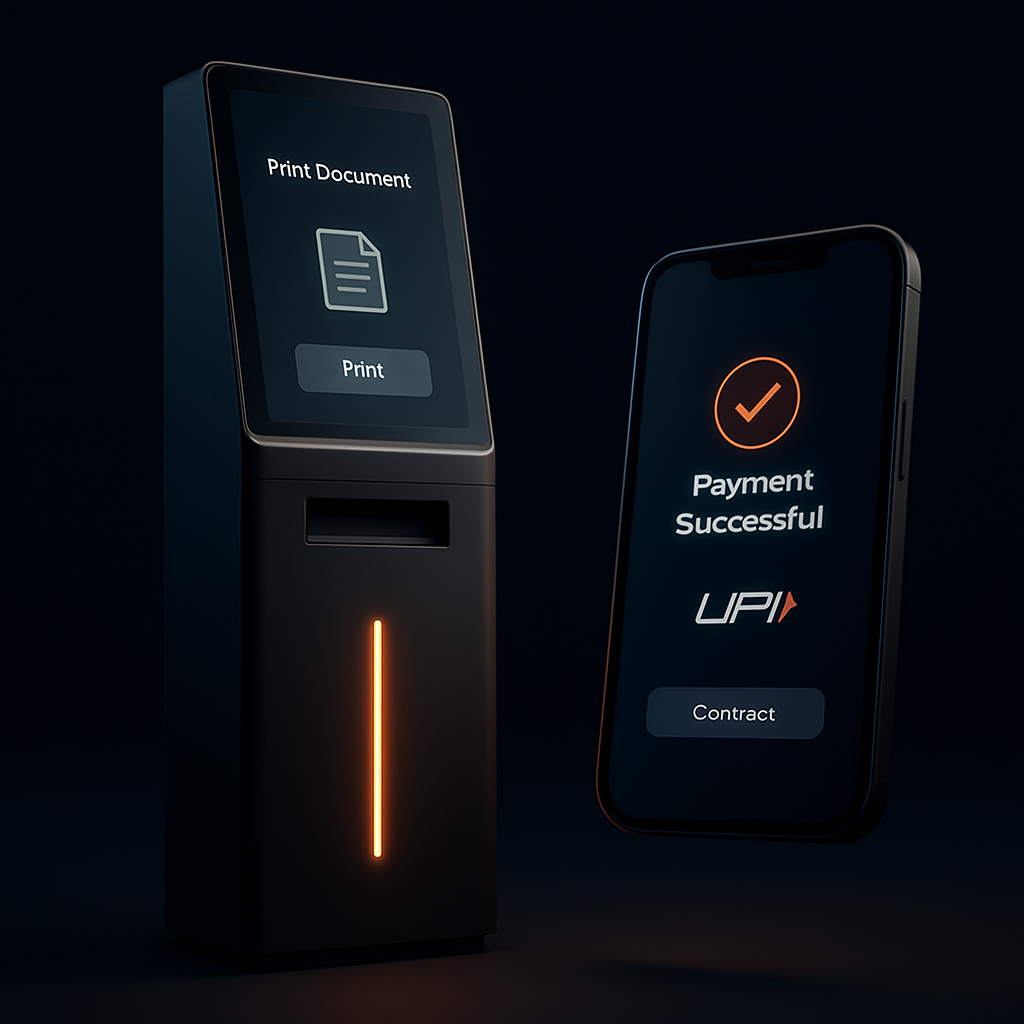
Print In 4 Simple Steps
From phone to paper in under a minute.
Step 1 Scan QR
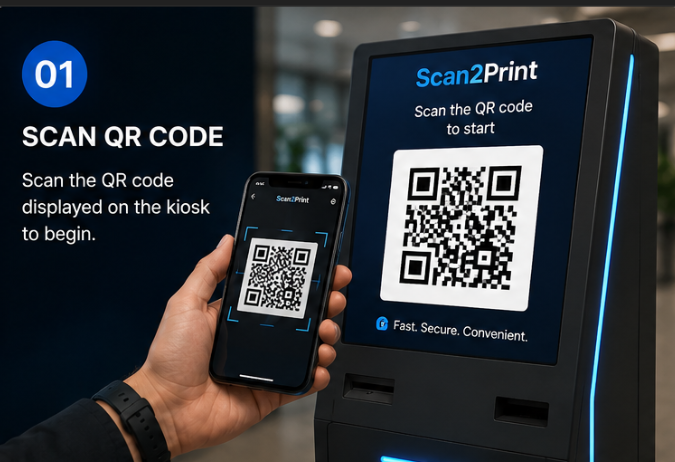
Scan the kiosk QR code to begin.
Step 2 Upload & Customize
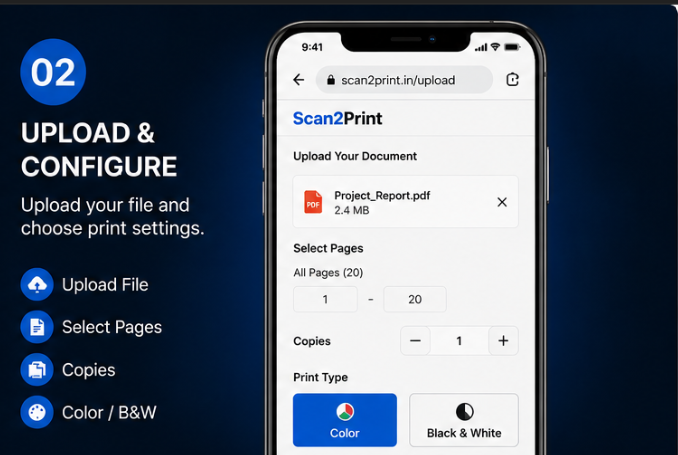
Upload your file and choose pages, copies, color or B&W settings.
Step 3 Pay via UPI
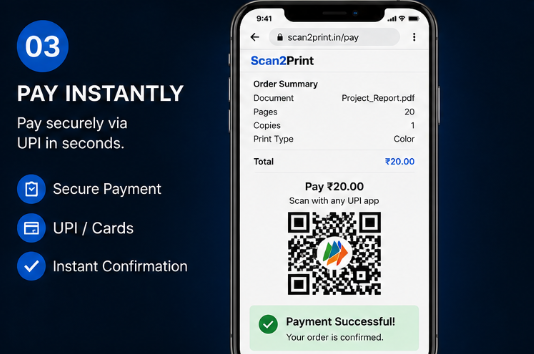
Review the amount and pay instantly using any UPI app.
Step 4 Enter OTP & Print
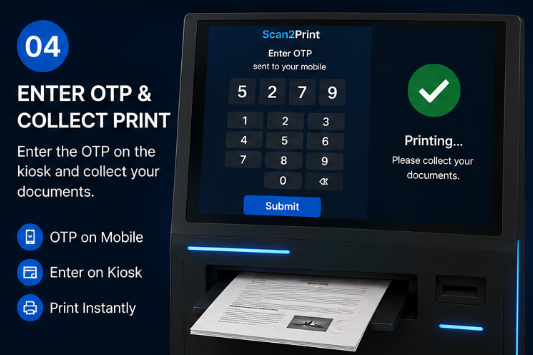
Enter the OTP received on your phone and collect your print.
Why you have to Choose Scan2Print
Skip the queues, avoid the stress, and print your documents in under a minute.
Traditional Print Shops
- ✕ Wait in Queue
- ✕ Limited Shop Timings
- ✕ Travel Required
- ✕ Share Files with Others
- ✕ Privacy Concerns
- ✕ Power Cuts & Delays
Scan2Print
- ✓ Print in Under 30 Seconds
- ✓ Available 24/7
- ✓ QR-Based Upload
- ✓ 100% Secure & Private
- ✓ Auto File Deletion
- ✓ Smooth & Reliable Experience
CORE ADVANTAGES
24/7 Unrestricted Access
Never face a locked door again.
Operates completely independently inside safe campus and transit zones around the clock.
Zero Human Dependency
No operators, no tokens, no misprinted variants.
Pure software automation handles translation from mobile layout to crisp physical paper.
Zero-Configuration Uploads
Drop files from any smartphone operating system.
Web-native interface works perfectly on Android, iOS mobile browsers without friction.
Seamless UPI Native Processing
No loose change, no minimum card limits.
Instant, automated payment confirmation via deep-linked UPI merchant processing rails.
Absolute Digital Privacy
Your private records remain yours alone.
Hardened RAM-disk storage automatically purges every single file immediately post-print.
Professional Laser Output
Sharp, high-density black prints for formal submissions.
Industrial-grade laser hardware guarantees clear text, accurate borders, and zero smudging.
24/7
System Autonomous Availability
100%
Certified Automatic File Deletion
< 1m
Average User Session Time
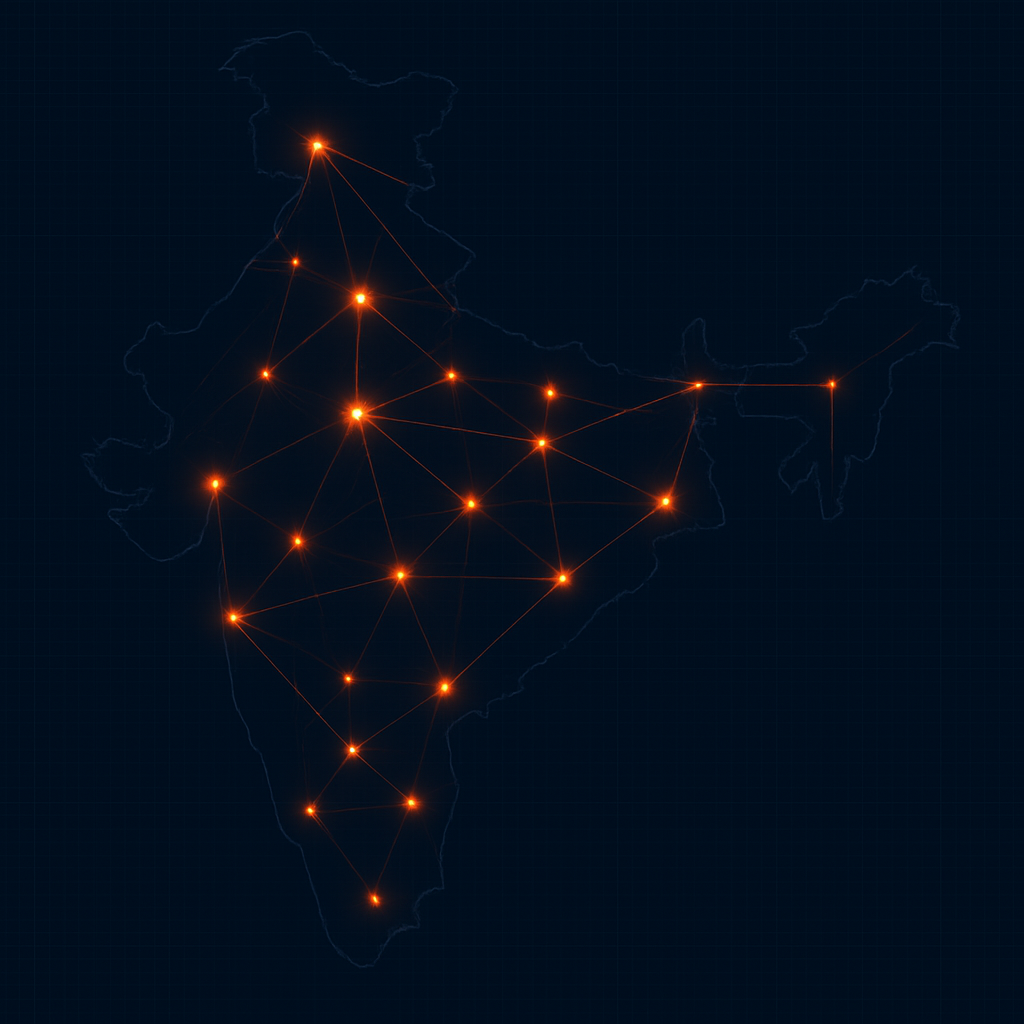
Future Network Vision
Printing, Available Everywhere.
Our mission is to build India's largest self-service printing network, making secure document printing available wherever people need it most—from campuses and hostels to transit hubs and public spaces..